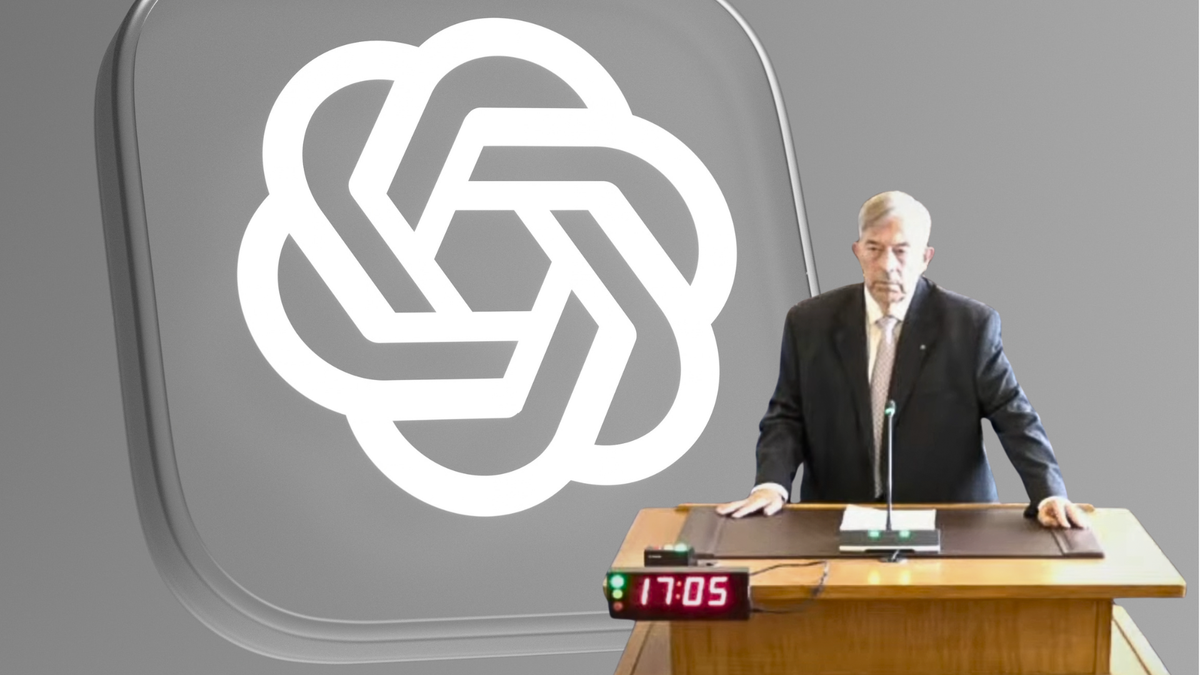
"Do you watch the news? Do you listen to the radio? Do you read anything about what's going on in the world?” one of the judges asked the lawyer, who submitted false testimony and witnesses after using ChatGPT.
What the lawyers say is not under oath unless they go to the witness stand and swear in. The main reason is that lawyers mainly are in the court to make opinionated arguments, not to give facts.
Lawyers do have a “duty of candor” to the “tribunal” at all times, however. This is because they have taken an oath (different from the witness oath) to become “officers of the court”. This means they cannot knowingly misstate facts or law to the court.
But the maximum exposure on a duty of candor violation is court sanctions, like fines or adverse court outcomes, possibly contempt, and bar discipline, and so on. It’s not the crime of perjury.


What the lawyers say is not under oath unless they go to the witness stand and swear in. The main reason is that lawyers mainly are in the court to make opinionated arguments, not to give facts.
Lawyers do have a “duty of candor” to the “tribunal” at all times, however. This is because they have taken an oath (different from the witness oath) to become “officers of the court”. This means they cannot knowingly misstate facts or law to the court.
But the maximum exposure on a duty of candor violation is court sanctions, like fines or adverse court outcomes, possibly contempt, and bar discipline, and so on. It’s not the crime of perjury.