The article is condemnatory, but lacks any claim that the animals were killed unlawfully. The absence of such a claim is not proof, of course, but it is conspicuous.
You are correct that nothing in the article explicitly claims “roadkill”. Likewise, nothing in the article claims that any of these dead animals were actually harmed.
Yep. I used the term “roadkill” to describe the nature of the death for these animals. Unintentional deaths.
“Roadkill” is being generous to the state, as it at least implies human involvement in their deaths, when the article makes no mention of anyone - let alone the defendant - causing the deaths of these animals.
I am, indeed, pro-taxidermy. It is much better to look at wild animals from museums than zoos or wildlife parks.

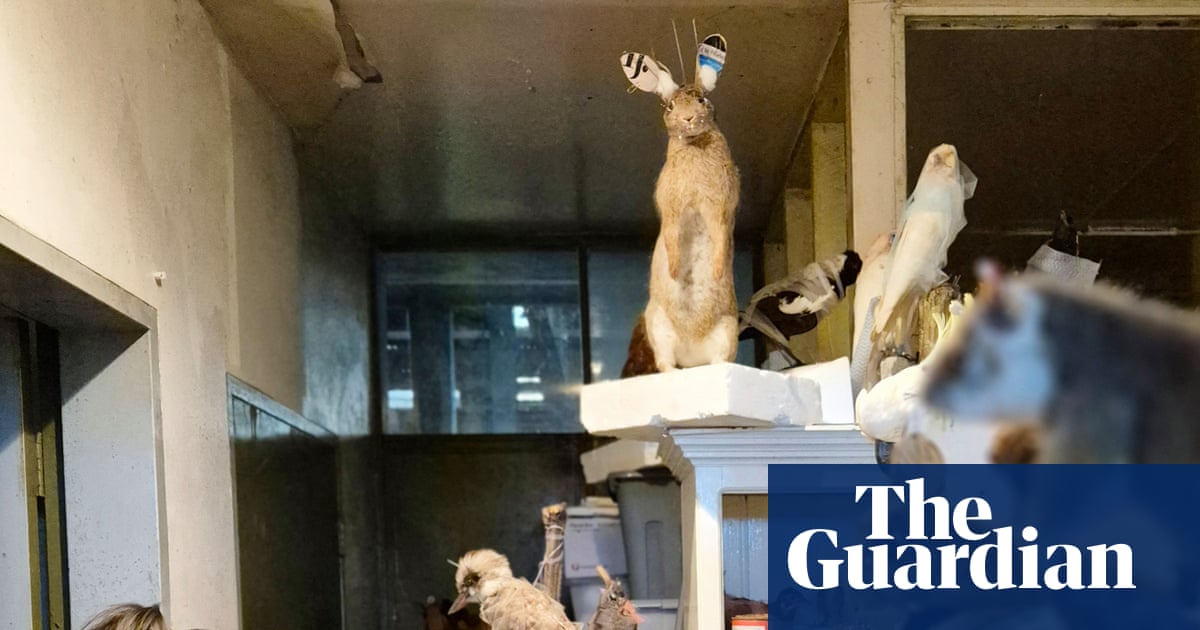
The article is condemnatory, but lacks any claim that the animals were killed unlawfully. The absence of such a claim is not proof, of course, but it is conspicuous.
You are correct that nothing in the article explicitly claims “roadkill”. Likewise, nothing in the article claims that any of these dead animals were actually harmed.
And yet you claim roadkill as a fact:
You just seem to be pro-taxidermy and twist the article to your liking.
He’s offering a deduction.
How else he could come by 78 emus in Australia, you could try to make a better guess.
Yep. I used the term “roadkill” to describe the nature of the death for these animals. Unintentional deaths.
“Roadkill” is being generous to the state, as it at least implies human involvement in their deaths, when the article makes no mention of anyone - let alone the defendant - causing the deaths of these animals.
I am, indeed, pro-taxidermy. It is much better to look at wild animals from museums than zoos or wildlife parks.