There was a related article, that I found as one of the most hopeful and positives for the environment……
I don’t remember how long they said mercury remains in the food chain but what I got out of it was that global coal is peaking and likely to decline rapidly and mercury settles out of the food chain in decades so my children may eventually be able to eat tuna and other seafood without worrying about mercury!
It’s not even really an eventually, it’s about a direct as you get. It is exhausted into the sky, gets caught in the water cycle and rains back down to earth.
The EPA estimates that more than 65%, or over 13 million tons per year, of SO2 production in the U.S. comes from electric utilities, 93 percent of which is produced by coal power plants.
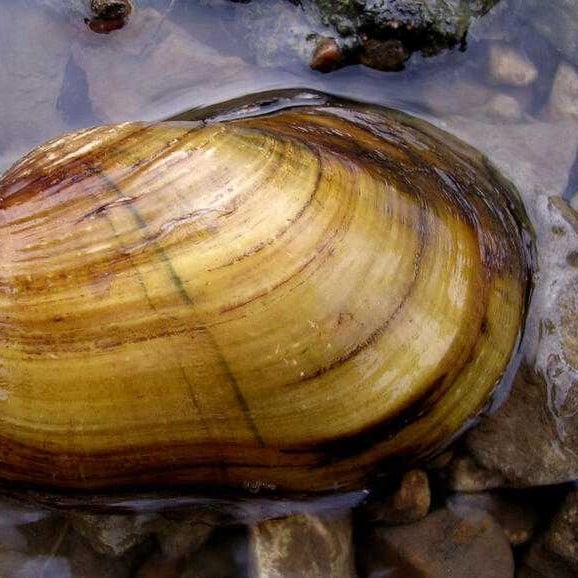
specifically tuna, its the bioaccumulation on the food web, the TUNA eats other animals that have mercury in it, that eats smaller animals that filter mercury, it piles up.

Apparently its also why fish are high in mercury because mercury in burnt coal eventually finds its way to the ocean.
There was a related article, that I found as one of the most hopeful and positives for the environment……
I don’t remember how long they said mercury remains in the food chain but what I got out of it was that global coal is peaking and likely to decline rapidly and mercury settles out of the food chain in decades so my children may eventually be able to eat tuna and other seafood without worrying about mercury!
It’s not even really an eventually, it’s about a direct as you get. It is exhausted into the sky, gets caught in the water cycle and rains back down to earth.
It is also the most serious contributor to acid rain.
https://www.gem.wiki/Sulfur_dioxide_and_coal
specifically tuna, its the bioaccumulation on the food web, the TUNA eats other animals that have mercury in it, that eats smaller animals that filter mercury, it piles up.