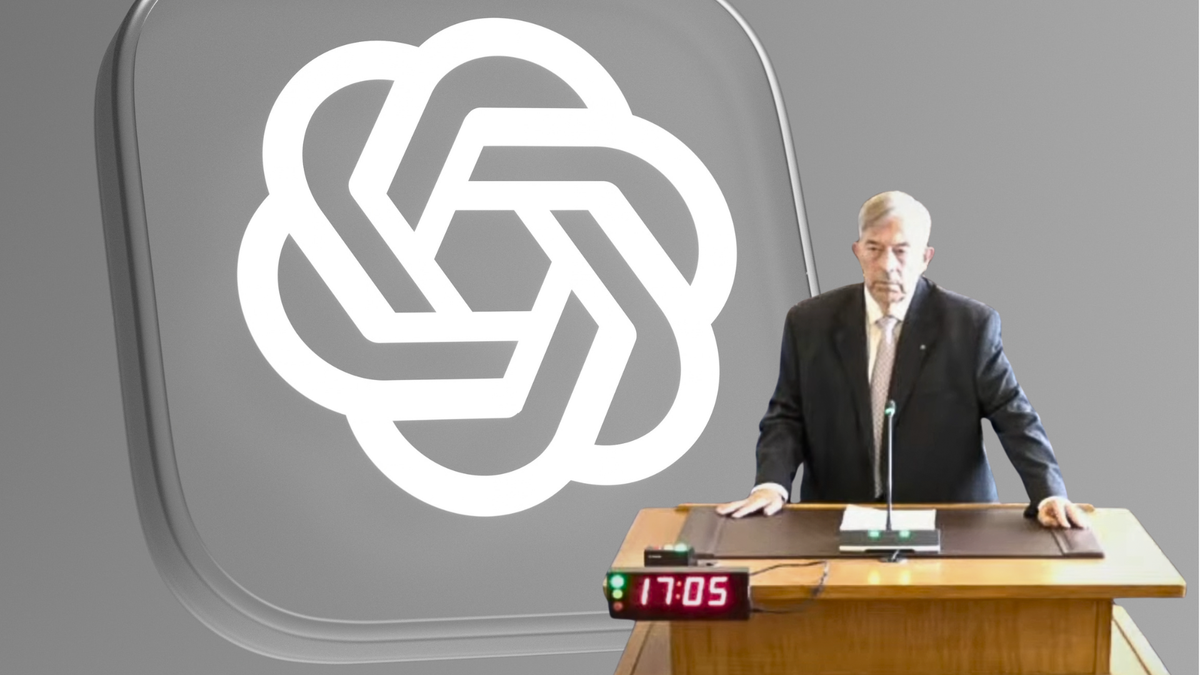
"Do you watch the news? Do you listen to the radio? Do you read anything about what's going on in the world?” one of the judges asked the lawyer, who submitted false testimony and witnesses after using ChatGPT.
I’ve been to court, and it never even occurred to me that the lawyers are not placed under oath. But they’re the ones that do most of the talking during a case. I wonder that the reasoning for not being under oath is.
Putting a lawyer under oath would often mean forcing them to either violate that oath or violate attourney-client privledge, as part of the oath is “the whole truth”.
They are advocating/representing, not testifying. A defense attorney does not make statements of fact, they call witnesses and experts for that. They introduce reasonable doubt.
They call witnesses and experts to present facts and other testomony which is why they are under oath.
They are still able to be held accoubtable for breaking ethincs, and in my opinion they should be disbarred for presenting AI hallucinations and any other evidence they haven’t spent any time verifying.
It’s because you only need to take an oath if you’re testifying. And arguing isn’t testifying. Lawyers are already bound by ethics standards for things like lying. For instance, if a lawyer knows you killed someone, they can’t openly say you didn’t.
They can argue that the evidence is lacking. They can argue that the prosecution hasn’t done enough to prove your guilt. They can find gaps in the prosecution’s case and start poking holes to provide reasonable doubt. But they can’t put a witness on the stand who they know is going to lie in your defense. And that includes themselves. Also, no lawyer would want to take the stand, because then the opposing lawyer would have a chance to cross-examine them directly while they’re under oath, and likely have them testify against their own client. It would be a very big can of worms.
What the lawyers say is not under oath unless they go to the witness stand and swear in. The main reason is that lawyers mainly are in the court to make opinionated arguments, not to give facts.
Lawyers do have a “duty of candor” to the “tribunal” at all times, however. This is because they have taken an oath (different from the witness oath) to become “officers of the court”. This means they cannot knowingly misstate facts or law to the court.
But the maximum exposure on a duty of candor violation is court sanctions, like fines or adverse court outcomes, possibly contempt, and bar discipline, and so on. It’s not the crime of perjury.


I’ve been to court, and it never even occurred to me that the lawyers are not placed under oath. But they’re the ones that do most of the talking during a case. I wonder that the reasoning for not being under oath is.
Putting a lawyer under oath would often mean forcing them to either violate that oath or violate attourney-client privledge, as part of the oath is “the whole truth”.
They are advocating/representing, not testifying. A defense attorney does not make statements of fact, they call witnesses and experts for that. They introduce reasonable doubt.
They call witnesses and experts to present facts and other testomony which is why they are under oath.
Fair enough, but I don’t like it. I guess I’ll settle for contempt of court.
They are still able to be held accoubtable for breaking ethincs, and in my opinion they should be disbarred for presenting AI hallucinations and any other evidence they haven’t spent any time verifying.
It’s because you only need to take an oath if you’re testifying. And arguing isn’t testifying. Lawyers are already bound by ethics standards for things like lying. For instance, if a lawyer knows you killed someone, they can’t openly say you didn’t.
They can argue that the evidence is lacking. They can argue that the prosecution hasn’t done enough to prove your guilt. They can find gaps in the prosecution’s case and start poking holes to provide reasonable doubt. But they can’t put a witness on the stand who they know is going to lie in your defense. And that includes themselves. Also, no lawyer would want to take the stand, because then the opposing lawyer would have a chance to cross-examine them directly while they’re under oath, and likely have them testify against their own client. It would be a very big can of worms.
What the lawyers say is not under oath unless they go to the witness stand and swear in. The main reason is that lawyers mainly are in the court to make opinionated arguments, not to give facts.
Lawyers do have a “duty of candor” to the “tribunal” at all times, however. This is because they have taken an oath (different from the witness oath) to become “officers of the court”. This means they cannot knowingly misstate facts or law to the court.
But the maximum exposure on a duty of candor violation is court sanctions, like fines or adverse court outcomes, possibly contempt, and bar discipline, and so on. It’s not the crime of perjury.